Feeling Low? Is it Major Depression or Seasonal Affective Disorder?
Do you find your mood drops around this time of year as we transition from Summer to Fall? If this sounds like you, you may have something referred to as Seasonal Affective Disorder or seasonal depression.
Seasonal Affective Disorder (SAD) is a form of depression which occurs seasonally. The signs and symptoms of SAD include (1):
Feeling sad or depressed for most of the day
A lack of motivation or loss of interest to engage in activities
Feeling tired and low energy
Sleep issues
Appetite changes
And if severe, it can create feelings of hopelessness and guilt and thoughts of suicide and/or death.
As you can see, it can be hard to distinguish between Major Depression or experiencing SAD since the symptoms and signs are the same. However, if you notice that this really happens to you only seasonally around the Fall / Winter, it could be SAD. Most people experience this phenomenon with the onset of Fall with improvement in mood around Spring.
Possible Causes & What You Can Do
Time Change
Seasonal Affective Disorder can kick in with changes in our circadian rhythm as the number of sunlight hours drop and we have more hours of darkness as this can trigger an increase in melatonin levels. This may be why it is harder to wake up in the morning.
The best way to combat SAD and improve your mood and motivation throughout the Fall and Winter is exposing yourself to as much bright light during the day. Wake up in the morning and use a bright light that mimics outdoor light (sunrise alarms) and open your curtains to let in any natural daylight as soon as you get out of bed – this helps to provoke a secretion in cortisol in the morning which inhibits melatonin production.
Fluctuating Serotonin Levels
Recent research has shown a link between light and higher active serotonin levels which demonstrates that SAD can also be associated with fluctuating serotonin levels (2). Serotonin is a neurotransmitter responsible for regulating our calm and positive or happy mood.
Our nerves have a serotonin transporter protein (SERT) which helps serotonin be taken back in the nerves for storage and cleared out from the active space when it is not needed (2). Light lowers this SERT activity which keeps more serotonin active – why sunlight in the summer can make us feel happier. In the winter, a study showed that some people tend to have higher SERT activity because of the low levels of light leading to more serotonin clearance and these individuals displayed signs of SAD. (2) This is another reason why exposing yourself to as much light as possible can help to increase serotonin levels.
Increased levels of serotonin can yield what we call serotonin syndrome but this is more common when one is supplementing with nutrients to boost serotonin along with taking antidepressants and highlights why it is SO important to work with a healthcare professional to ensure there are no interactions between your supplements and medications.
“Serotonin Syndrome can happen from taking too much serotonin and symptoms include diarrhea, increased body temperature, sweating, anxiety, agitation, tremor, and dilated pupils).”
Exercise
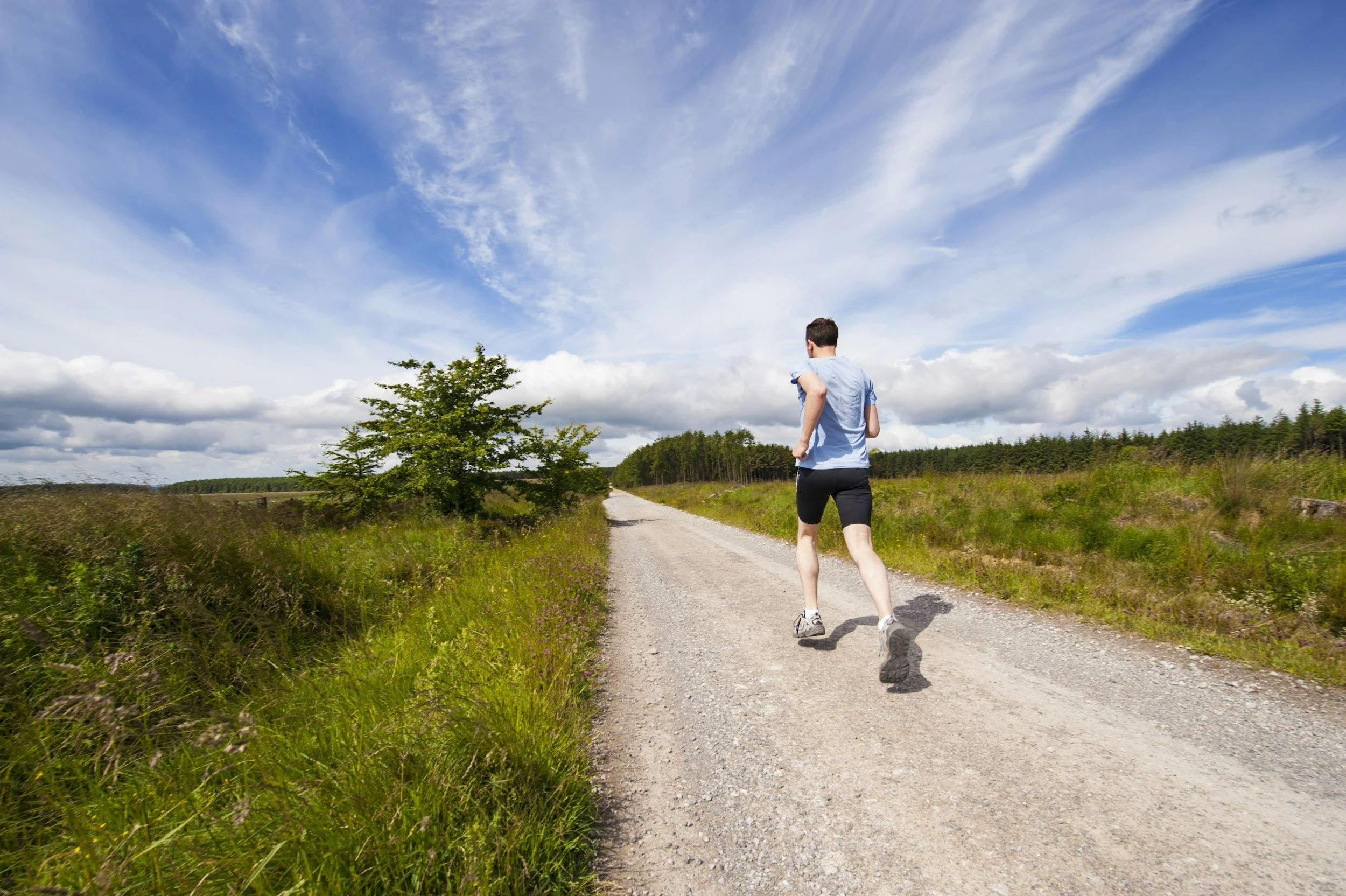
Being active in the morning can help improve energy and mood as exercise induces cortisol production and cortisol is meant to be at its highest in the morning to suppress melatonin.
Hormone Imbalances
Increased cortisol (stress hormone) or fluctuating estrogen levels can impact serotonin production as well.

Digestive Problems
A large amount of serotonin is made in the gut and bloating, gas, diarrhea, constipation, and, gut inflammation can contribute to low serotonin. This is why you may have often heard the gut being referred to as the “second brain”. Many mood and behavioural disorders can be rooted in gut imbalances.
Thinking your cortisol may be off because you have been functioning in stress for months or maybe your other hormones are off? Maybe you are now feeling that this is a great time to address that chronic bloating or indigestion you have been feeling for a long time?
There are functional tests to other testing / examination options for assessing gut health and hormones. There are also natural supplements to aid in improving serotonin levels while we are addressing the root cause in case you are wanting to try something more natural before having to dive into the world of antidepressants. In clinical practice, I have also seen weekly or bi-weekly acupuncture treatments being effective in improving mood. A comprehensive clinical assessment is the best next step to determine the right treatment(s) for you.
References:
Mayo Clinic Staff. (2017, October 25). Seasonal Affective Disorder (SAD). Mayo Clinic. Retrieved on September 16, 2019 from https://www.mayoclinic.org/diseases-conditions/seasonal-affective-disorder/symptoms-causes/syc-20364651
European College of Neuropsychopharmacology (ECNP). (2014, October 20). Biochemical cause of seasonal depression (SAD) confirmed by researchers. ScienceDaily. Retrieved September 16, 2019 from www.sciencedaily.com/releases/2014/10/141020212412.htm