Earlier we discussed what endometriosis is and how it may present in the body. If you want to circle back to see what endometriosis is and what symptoms it can present with, read here. Let’s talk about how this condition is diagnosed because it more complex that you would diagnose iron deficiency or fibroids. Treatment can also differ from a conventional and a naturopathic lens where the latter is really focused on getting to the root cause.
DIAGNOSIS
Endometriosis can take years to diagnose and multiple visits to your family doctor’s office before landing a formal diagnosis is obtained. It is said that it can take 10 years for a formal diagnosis [1] because there are no blood tests and an ultrasound may detect tissue but cannot detect endometriosis the way it may be able to detect adenomyosis or fibroids. A minimally invasive laparoscopic procedure, the gold standard, is required to obtain the tissue and perform a biopsy of the tissue to assess if it is endometrial tissue.
Recently, however, there has been research showing that measuring CA-125 via a blood test has high specificity (93%) to act as a non-invasive measure and a high normal result can provide a presumptive diagnosis in symptomatic women to begin medical management without having to wait to obtain the gold-standard laparoscopy for a confirmed diagnosis [2]. Due to poor sensitivity of 52% for CA-125, a negative result cannot rule out endometriosis as many with ‘endo’ may have levels within normal [2]. CA-125 should never be used alone to assume ‘endo’ and a pelvic ultrasound should also be done to assess and rule out conditions like ovarian cancer and fibroids which can raise CA-125 also.
TREATMENT
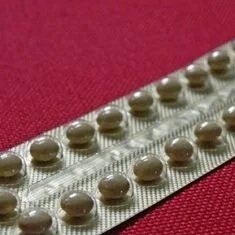
Conventional medical management for ‘endo’ may have your MD prescribing you an anti-inflammatory/pain reliever such as Tylenol, Advil, Motrin, or Naproxen and suggesting the birth control pill to regulate your hormones. Unfortunately, the birth control pill suppresses your own hormone production so now your endometrial lining responds to synthetic hormones in controlled doses so a bleed is not really a period but a ‘withdrawal bleed’ during the time when you are not taking the estradiol or progestin component of the pills. Since endometriosis is an inflammatory condition, in my practice, I have seen many with endometriosis still have a heavy flow even when on birth control due to all the proliferative estrogens.
Naturopathic management for ‘endo’ is similar in terms of using an anti-inflammatory to help with the pain and bringing down the inflammation but rather than a pharmaceutical option, this is done through herbs in therapeutic doses. While we are doing this though, we are also working with you to get to the root cause of where the inflammation is being generated from - Gut inflammation or dysbiosis like too much yeast, bacteria or mold overgrowth; A coexisting autoimmune disease; Fatty liver; Post-vaccine inflammation; Or a chronic infection such as COVID, the flu, or another infection. Once we identify this, we can treat the root. There can also be a significant amount of histamine present in someone with endometriosis and this can be why you may feel better taking antihistamines and feel like you have MCAS or histamine intolerance.
Through nutritional counselling, nutritional and herbal supplements, acupuncture to help with menstrual cycles, flow, and pain regulation we work together to reduce inflammation, lower histamine levels, support immune system balance if needed, and help in balancing your own body’s production of estrogen and progesterone. Along your healing journey, we can run different tests for gut health, hormone profiles and inflammatory markers.
References:
[1] The Endometriosis Network Canada (2022). Retrieved on April 4 2022 from https://endometriosisnetwork.com/
[2] Speer L, MD. CA 125 relatively specific for diagnosing endometriosis. Am Fam Physician. 2017 Jan 15;95(2):122.