What is Histamine Intolerance?
Histamine intolerance has become more known in the health sphere over the last couple of years. This is largely due to a constellation of symptoms that one may experience but when blood tests are run for all the routine markers, everything shows up as “normal”. This is because histamine isn’t something that we can readily test for in the blood (yet!) so histamine intolerance is really diagnosed through a thorough clinical history of connecting all your symptoms together.
Histamine is a good thing… we need histamine for bodily functions. Our body needs to produce histamine in small amounts to allow our blood vessels to dilate and help with blood flow. This is why after an intense exercise, there is more histamine produced to get more blood flow to organs and tissues. Histamine is needed to regulate inflammation, stomach acid production for digestion, wakefulness and keeping us awake and alert, and, supports our nerves, cell and tissue repair. The problem arises when there is a large amount of histamine being produced which can be the case in allergies, asthma, cold/flus, chronic inflammatory conditions, and/or infections.
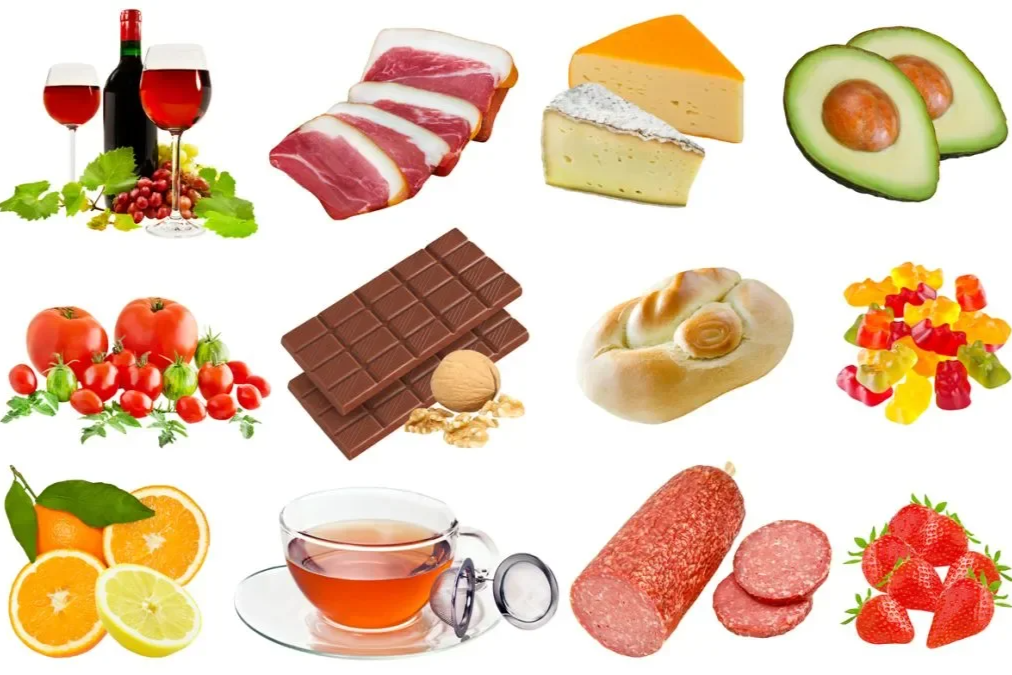
Foods High in Histamine or Can Trigger Histamine
Wine
Processed meats
Some cheeses
Spinach
Avocado
Tomatoes
Cocoa
Sourdough and fermented foods
Citrus foods
Strawberries
Preservatives in processed foods and candies
Food colouring
Signs and Symptoms of Histamine Intolerance
-
Diarrhea
Gas
Abdominal cramping
Heartburn / acid reflux
Nausea / Vomiting (think morning sickness in pregnancy)
-
Numbness and/or Tingling
Vertigo
Restless sleep / Difficulty sleeping
Wakefulness
Headache
Dizziness
-
Anaphylactic symptoms
Itchy skin
Hives
Increased skin redness / flushing
Itchy / watery eyes
Nasal congestion
Runny nose
Asthma or shortness of breath
-
Heart palpitations
Low blood pressure
Anxiety / irritability (think perimenopause)
Insomnia
ADHD
Low energy / Fatigue
-
Painful and/or heavy periods
PMS symptoms
PMDD
Irritability, insomnia, anxiety and other perimenopause symptoms
Stay tuned for some common conditions that can lead to histamine intolerance and these symptoms in our next blog post.
In the meantime, if you are experiencing any of these symptoms and tired of dealing with them but every time you go get a blood test, everything is “normal” and your family physician has no idea what to do, you can speak with our naturopathic doctor who has a special interest in gut health, hormone imbalances, and histamine issues. Treatment will involve identifying the root cause - whether is it detoxification issues, gut-, or hormone-related - and treating that as well immune support to minimize the load while we get to the root cause.